Massachusetts · Fire & Smoke Damage Restoration
The fire's out. The damage isn't done spreading.
Soot etches into surfaces within hours, smoke odor works deeper into materials by the day, and the water used to fight the fire is its own problem waiting to happen. Harborline secures the property, removes water, soot, and odor at the source, and rebuilds — one licensed team, start to finish.
(617) 555-0134Securing the property against weather and re-entry is often the first thing our crew does on-site, before assessment even wraps up.
Why Speed Matters
The fire stops. The damage keeps working.
Fire damage doesn't end when the flames are out. These are the risks that keep getting worse for every hour a property sits untreated.
Soot etches surfaces permanently
Acidic soot residue keeps reacting with metal, grout, and finishes the longer it sits — what's cleanable on day one can be permanently stained by day three.
Smoke odor works deeper into materials
Smoke particles are microscopic and porous materials absorb them by the hour — drywall, insulation, and fabric hold odor long after the visible smoke clears.
Firefighting water invites mold
The water used to put the fire out often does its own damage, and left standing, it creates the exact conditions mold needs to start within 24–48 hours.
An unsecured property is at risk
Broken windows, damaged doors, and exposed rooflines invite weather damage, theft, and further structural harm until the property is boarded and secured.
Our Restoration Process
Dry first. Clean second. Deodorize third. Rebuild last.
Fire restoration has to happen in the right order — skip a step or do it out of sequence, and the work that follows doesn't hold. Every stage below builds on the one before it.
WITHIN HOURS
Assessment & Board-Up
We assess the full extent of fire, smoke, and water damage, then secure the property against weather and unauthorized entry.
Water Removal & Drying
Firefighting water is extracted and the structure is dried before any cleaning starts — cleaning a wet surface just spreads residue.
Soot & Smoke Removal
Surfaces are cleaned with techniques matched to the material, before odor treatment — you can't deodorize over soot that's still there.
Odor Neutralization
Thermal fogging, ozone, or hydroxyl treatment neutralizes odor at the molecular level, not just masks it with fragrance.
Content Cleaning & Pack-Out
Salvageable belongings are inventoried, cleaned off-site if needed, and stored safely until the space is ready for them again.
Structural Repairs
Drywall, flooring, and framing go back once the space is fully dry, clean, and odor-free — rebuilding over any of that undoes the prior steps.
Final Inspection
We walk the finished space with you and confirm it's safe, clean, and odor-free before calling the job done.
Residential
Your home, made safe and livable again
A kitchen fire, an electrical fire, or damage from a neighboring unit all leave a similar mix behind — soot, water, and odor spread further than the flames ever reached. We treat the whole picture, not just the burned room.
We handle salvageable belongings with care, document everything for your claim, and keep you informed on what can be saved versus what needs to be replaced.
Commercial
Reopening safely, without the odor problem returning
A fire-damaged business needs more than clean-looking surfaces — lingering smoke odor is a liability with customers and staff. We treat odor at the source, not just mask it, and document everything for insurance and inspection.
We phase work where possible so unaffected parts of your property can reopen sooner, instead of the whole space staying closed until every finish is done.
On Every Job Site
What the restoration actually looks like
Real steps from a real fire restoration — from the first assessment to a fully rebuilt, odor-free space.
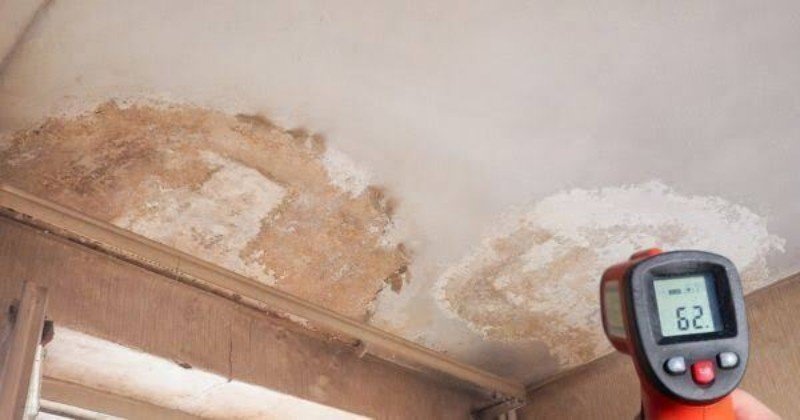 STEP 01
01 · Assessment & Board-Up
Securing the property first
We assess the full extent of fire, smoke, and water damage, then secure the property against weather and unauthorized entry.
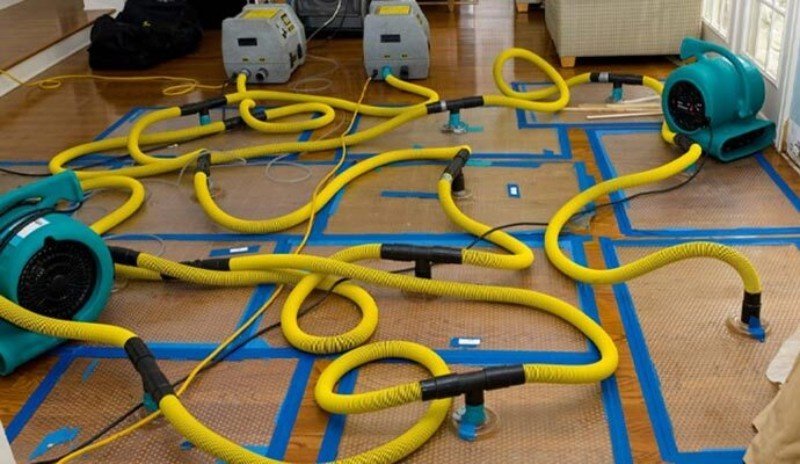 STEP 02
02 · Water Removal & Drying
Dry before anything else touches it
Firefighting water is extracted and the structure is dried before any cleaning starts — cleaning a wet surface just spreads residue.
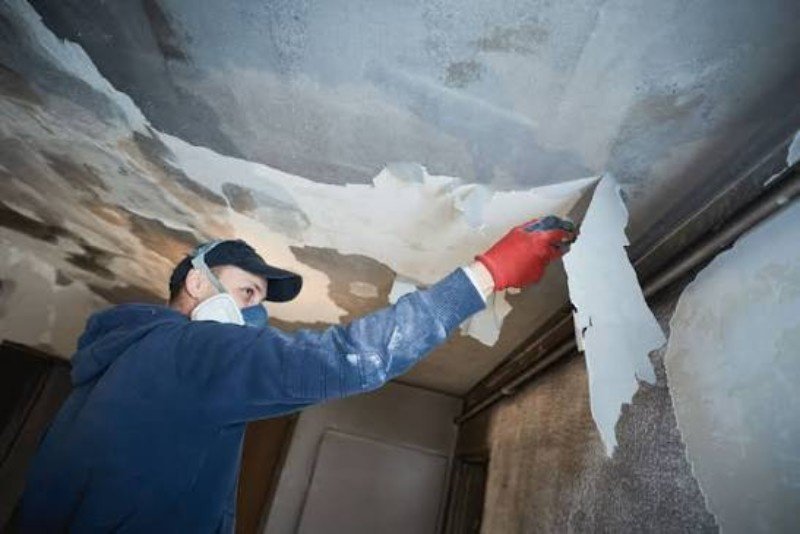 STEP 03
03 · Soot & Smoke Removal
Cleaned before it's deodorized
Surfaces are cleaned with techniques matched to the material, before odor treatment — you can't deodorize over soot that's still there.
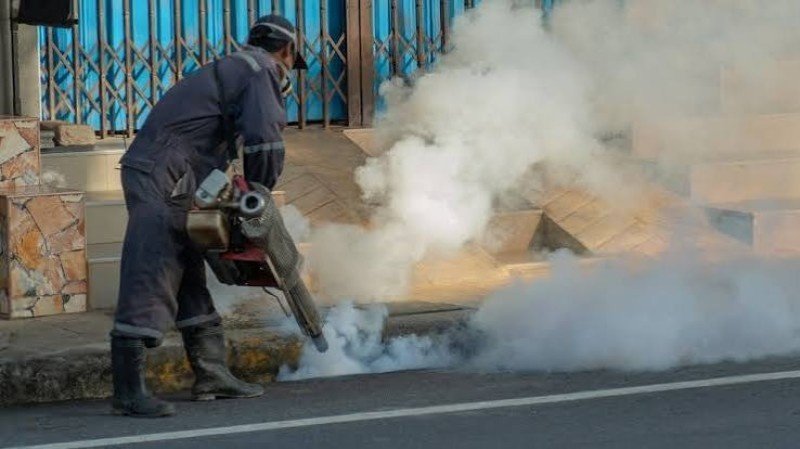 STEP 04
04 · Odor Neutralization
Treated at the source, not masked
Thermal fogging, ozone, or hydroxyl treatment neutralizes odor at the molecular level, not just covers it with fragrance.
 STEP 05
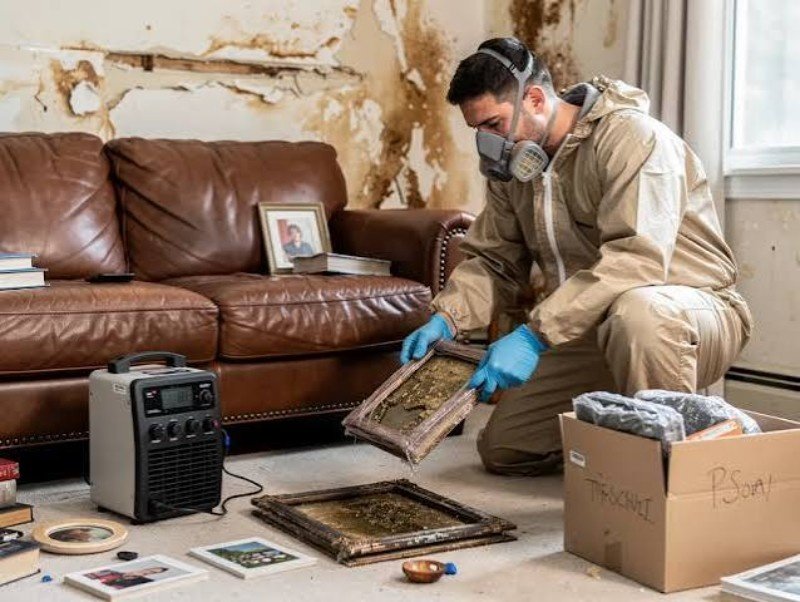
05 · Content Cleaning & Pack-Out
Saving what can be saved
Salvageable belongings are inventoried, cleaned off-site if needed, and stored safely until the space is ready for them again.
 STEP 06
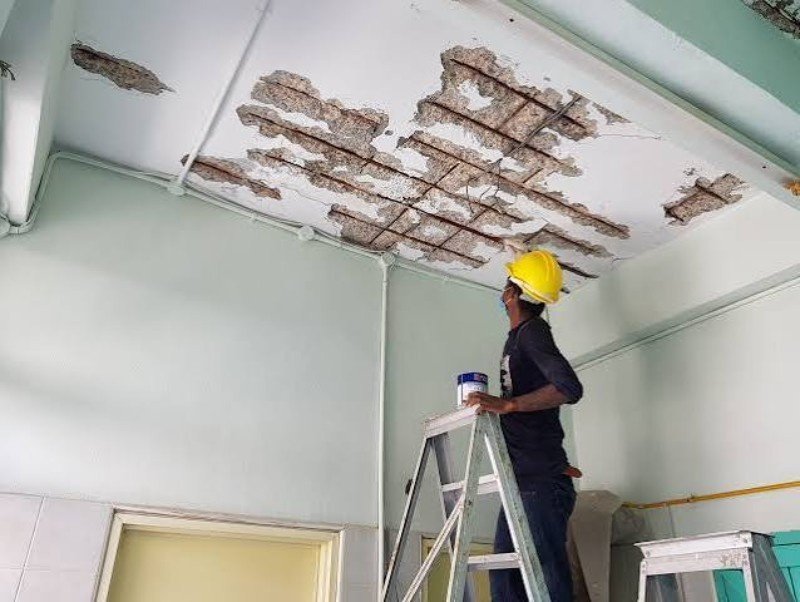
06 · Structural Repairs
Rebuilt once it's clean and dry
Drywall, flooring, and framing go back once the space is fully dry, clean, and odor-free — rebuilding over any of that undoes the prior steps.
 STEP 07
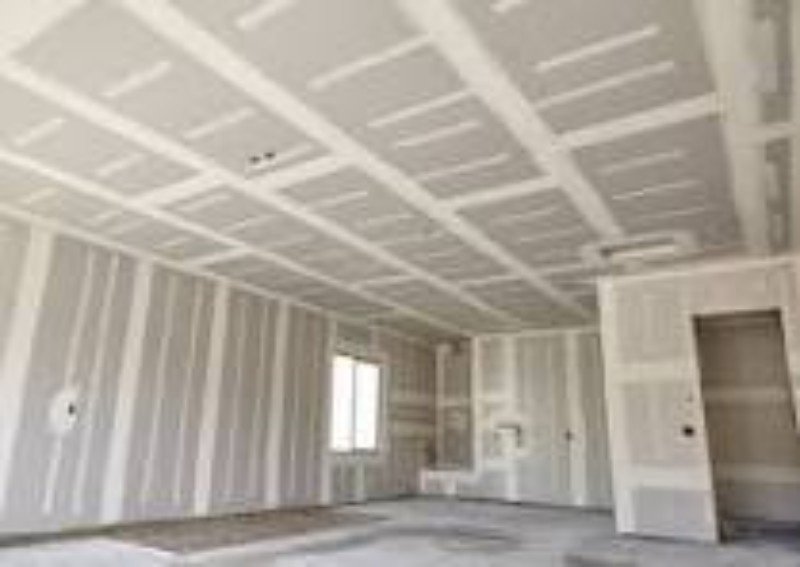
07 · Final Inspection
Confirmed safe, clean, and odor-free
We walk the finished space with you and confirm it's safe, clean, and odor-free before calling the job done.
Why Massachusetts Chooses Us
Restoration that follows the right order, every time
We board up before we assess in full
Securing the property against weather and re-entry happens fast, so the damage stops getting worse while the rest of the plan comes together.
Odor treated at the source
Thermal fogging, ozone, and hydroxyl treatment neutralize odor at the molecular level — not a fragrance that fades in a week.
Sequence matters, and we don't skip it
Dry, then clean, then deodorize, then rebuild — done out of order, the work that follows doesn't hold.
Direct insurance billing
Photos, inventories, and a written scope of work follow every job, built to match what adjusters expect.
Fire, water & mold, one team
The water used to fight the fire and any resulting mold risk are handled by the same crew — no separate contractor, no hand-off.
Careful with what's salvageable
Belongings are inventoried and cleaned with care, not written off by default — we tell you honestly what can and can't be saved.
What Our Customers Say
Reviews from the field
"After the kitchen fire, I was sure we'd have to replace everything. Harborline saved more than I expected and were honest about what couldn't be salvaged instead of writing it all off."
Homeowner, Massachusetts"I've used Harborline multiple times over the years, and I can't say enough good things. They handled our fire damage with professionalism and care."
Homeowner, MassachusettsRelated Restoration Services
Fire damage rarely shows up alone
Water Damage Restoration
Fast extraction and structural drying for the water used to fight the fire.
Learn more →Mold Remediation
Inspection, containment, and removal for contamination that follows firefighting water.
Learn more →Storm & Catastrophe Restoration
Rapid response and stabilization for hurricanes, nor'easters, and large-scale property loss.
Learn more →Reconstruction Services
Drywall, flooring, and full rebuilds carried out by the same team that handled your restoration.
Learn more →Frequently Asked Questions
What people ask before they call
Is it safe to go back inside after a fire?
Not until it's been inspected. Soot residue can be acidic and irritating, structural elements may be weakened, and air quality can be a concern — wait for a professional or fire department clearance before re-entering.
Will the smoke smell ever fully go away?
Yes, with the right treatment. Masking odor with fragrance doesn't work long-term, but thermal fogging, ozone, or hydroxyl treatment neutralizes odor at the molecular level and gets a full, lasting result.
What actually gets salvaged versus thrown away?
It depends on material and exposure. Non-porous items like metal and glass usually clean up well; porous items like fabric and paper are harder to fully de-odorize. We inventory and assess each item honestly rather than writing everything off by default.
Does homeowners insurance cover fire damage restoration?
Most standard policies cover sudden fire damage, including smoke, soot, and the water damage from firefighting efforts. We document everything to match what adjusters expect and can bill most major carriers directly.
How long does fire damage restoration take?
A contained, single-room fire might take 1–2 weeks. Larger fires involving structural rebuild can take 4–8 weeks or more — we give you a specific timeline after the initial assessment.
Do you handle the board-up right away?
Yes. Securing broken windows, damaged doors, and exposed rooflines against weather and re-entry is typically the first thing our crew does on-site, often the same visit as the initial call.
What areas of Massachusetts do you serve?
Greater Boston, Worcester, Cambridge, Quincy, Somerville, and communities throughout Middlesex, Essex, Suffolk, Norfolk, and Plymouth counties.
Get Help Now
We're standing by
Soot, odor, and hidden moisture only get harder to treat the longer they sit. Don't wait to see how bad it gets.
(617) 555-0134 — Available 24/7/365DIRECT INSURANCE BILLING · FREE INSPECTIONS · RESIDENTIAL & COMMERCIAL · IICRC-CERTIFIED · ALL OF MASSACHUSETTS